
In the ever-evolving landscape of technology, a significant paradigm shift is underway. The focus is shifting from using multiple, distinct applications for different tasks to embracing AI solutions that integrate data from various sources, streamlining processes and enhancing efficiency. Here I will cover a touch of the path to get here and will delve into the progress and implications of this transition.
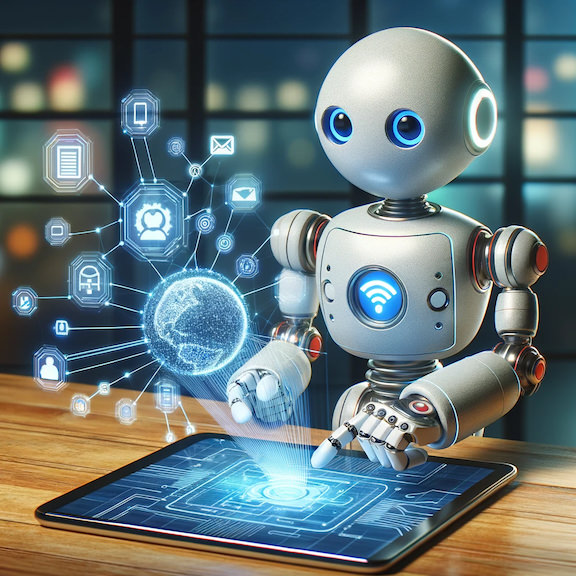
In the emerging framework, the operating system is not just a platform for running applications; it has evolved into a dynamic hub that amalgamates content and services from various apps. This integration eliminates the need for users to jump across different applications, providing a seamless experience. The OS now does the heavy lifting, allowing for more streamlined and efficient workflows.
Historically, there have been attempts to create such integrated systems. The Apple Newton, for instance, allowed apps to access information from other applications. However, it faced challenges in adequately controlling Personally Identifiable Information and other sensitive data.
Similarly, Microsoft once proposed the idea that there was no need for traditional file folders, advocating that everything should be findable via the Windows search function. This solution felt ahead of its time, foreshadowed the current trend towards more fluid data management.
The Google ecosystem attempts to offer a solution where users could find anything they created, like documents and spreadsheets. However, it struggles with more complex queries, such as searching for notes from a specific meeting about a particular subject. This limitation highlights the challenges of traditional search algorithms in handling nuanced and context-rich data queries.
The advent of Generative Pre-trained Transformers (GPT) with OpenAI has marked a new era. It encourages apps to tie into ChatGPT’s extensive reach, allowing developers to expand their functionalities by calling on multiple data sources and features. This integration signifies a move towards a more interconnected and intelligent application ecosystem.
The ability to schedule a meeting within multiple people’s available time, set to the right length with notes and follow up emails is a simple example of what has taken multiple apps and time previously being a single interface.
A notable example of this trend is the Rabbit AI R1 device announced at the 2024 CES event. It amalgamates information and presents it in a way individual apps would, but it leverages the data and management capabilities of numerous resources via their LAM. Rabbit created a LAM, large action model, that understands and executes human intentions on computers. Being a cloud-based solution, it requires constant internet access, for a speedy response. Highlighting a dependency on network connectivity.
For areas with limited or no internet access, on-device AI capabilities are crucial. While many regions still suffer from inadequate cellular coverage, having on-device processing ensures that essential functions remain available, albeit with some limitations in accessing updated information.
Despite the advancements in on-device processing, the need for updated information remains a critical aspect, inherently tied to internet access. This reliance underscores the importance of developing technologies that can balance on-device capabilities with the necessity of real-time data updates from the internet.
2023 marked the era of AI excelling in generating and revising text, as well as creating images. 2024 is poised to be the year where AI Agents will take on complete workflows.
Please note that if you purchase from clicking on the link, some will result in my getting a tiny bit of that sale to help keep this site going. If you enjoy my work, perhaps you would consider donating to my daily cup of coffee, thank you.