
The joys are real. So are the costs no one talks about.
This was written following our four legged family member passing after 18 years. Memories come back every day, of course there was tough times in with the good. Her time with us was at times what brought the family together to rally around her, no regrets. I thought I should share the expected and unexpected lessons along our path that you may find enlightening.
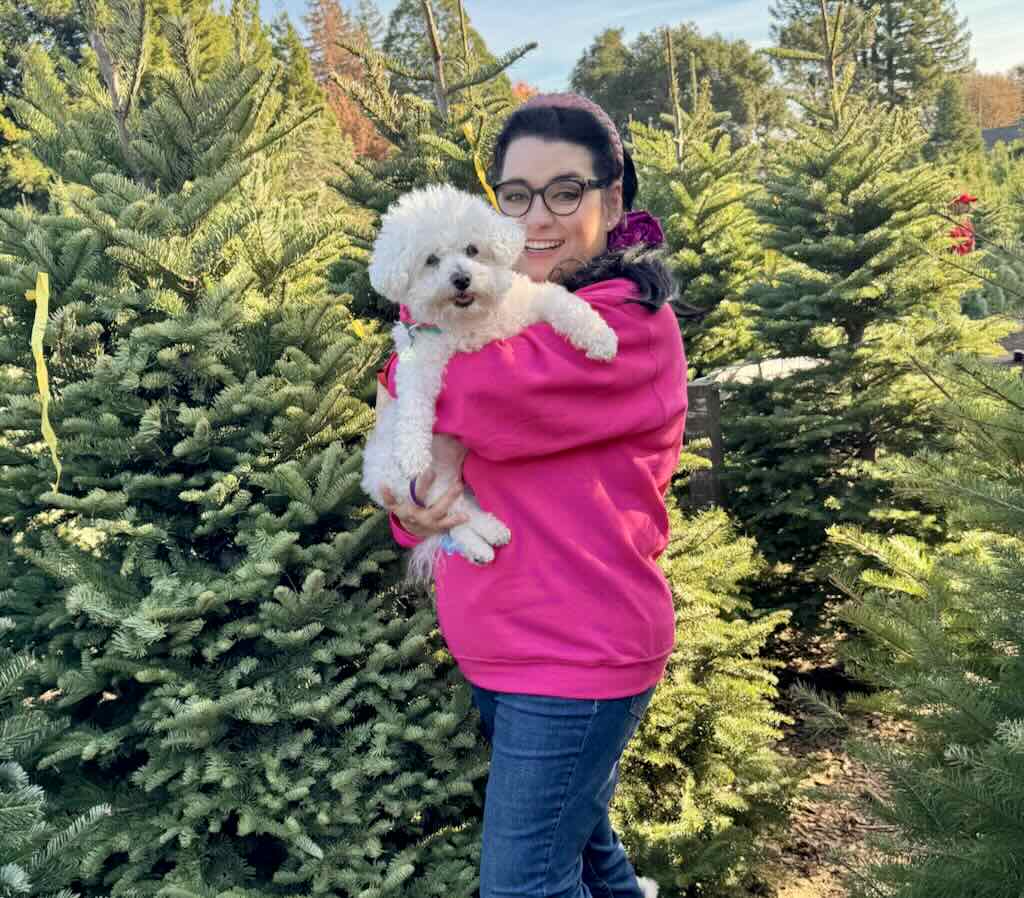
There is a moment every parent knows, a child’s face pressed against a pet store window, or the video that goes viral in the family group chat: a litter of golden retriever puppies tumbling over each other. The ask that follows is ancient and irresistible. Can we get one?
Most families say yes. And most of the time, that yes becomes one of the defining experiences of a childhood. But rarely does anyone sit down and think through the full arc of what that yes means, not just for the next year, but for the next eighteen.
This article isn’t a case against getting a dog. It’s an invitation to think bigger, earlier, and more honestly about what a dog truly means for a family across time.
The Gift of Growing Up Together
When a child and a puppy arrive at roughly the same stage of life, something remarkable happens. They grow up in parallel.
The toddler who learns to walk steadies herself against a dog who is also finding his footing. The eight-year-old who has a bad day at school finds a creature who doesn’t need the story explained. The teenager who feels misunderstood by everyone still has one relationship that is uncomplicated and unconditional.
Research has long supported what families feel intuitively: children who grow up with dogs show higher levels of empathy, lower cortisol during stressful situations, and stronger social confidence. The dog becomes a kind of emotional anchor, a constant in a childhood that is otherwise full of transition.
What the dog teaches without trying:
- Responsibility. Feeding schedules, fresh water, walks in all weather. A child who participates in a dog’s care learns that another life depends on them, and that this is not optional.
- Patience. Training a dog requires repetition without frustration. Children who train dogs learn to regulate their own emotions in the process.
- Reading nonverbal cues. Dogs communicate entirely through body language and behavior. Children who live with dogs become unusually skilled at reading emotional states in others.
- Routine and structure. A dog enforces a daily rhythm. Families with dogs often eat, sleep, and move on more consistent schedules than those without.
- Unconditional presence. A dog doesn’t care about grades, social hierarchies, or screen time. That equality is quietly radical for a child.
The Costs That Compound Over Time
Here is where honesty matters.
A puppy is a fifteen-to-twenty-year commitment. Families tend to make the decision when the child is young and the puppy is irresistible. What they don’t always account for is the full shape of those years.
The Early Years: High Energy, High Demands
Puppies are joyful chaos. They chew, they have accidents, they need constant socialization and training. For a family with young children, this period can feel like having a second toddler, one who cannot be reasoned with and who has very sharp teeth. Sleep disruption, furniture damage, and significant time investment are normal and real.
The Middle Years: The Rhythm Sets In
This is often the golden period. The dog is trained, bonded, and part of the household’s identity. Activities that include the dog; hikes, beach trips, camping become some of a family’s most treasured memories. The dog is simply always there. It feels permanent. It isn’t.
The Later Years: The Calculus Changes
This is the phase families rarely plan for, and where the hidden costs accumulate most.
As a dog ages, roughly after year ten, though this varies by breed, health challenges emerge. Arthritis, cognitive decline, incontinence, cancer, vision or hearing loss. Veterinary care for aging dogs is expensive and emotionally demanding. More significantly, it begins to shape the family’s life in ways that are hard to anticipate.
What families often discover in a dog’s final years:
- Vacations become complicated or disappear. A young, healthy dog can be boarded or cared for by a neighbor with relative ease. An elderly dog with health needs is a different matter entirely. Boarding facilities are stressful for senior dogs. Professional pet-sitters who can manage medication, mobility issues, or overnight emergencies are costly and not always available. Many families find that travel simply stops, or becomes a source of real stress and guilt.
- Work schedules are affected. As a dog’s needs increase, more frequent bathroom breaks, midday check-ins, monitoring for distress, the working members of a family may find themselves making choices that career-focused younger selves would not have anticipated. Coming home earlier, declining work trips, rearranging meetings.
- Social life contracts. Evening events, weekend activities, spontaneous plans, all of these become filtered through the question of who is home with the dog. For families without nearby relatives or reliable care networks, the answer is often: we stay home.
- The emotional weight grows. Watching a beloved animal decline is genuinely hard. It is a sustained grief, the slow loss of capacity, the difficult decisions about quality of life, the knowledge of what is coming. This experience is real and significant for every member of the family, but particularly for children who have known no life without this dog.
The Passing: A Child’s First Encounter with Death
Few families talk about this at the beginning. They should.
For many children, the death of a family dog is their first direct experience with loss. This is not a small thing. It is often the first time a child understands, in their body, that love ends, that something can be here every day and then not be.
This experience, handled well, can be one of the most formative of a childhood. It teaches:
- That grief is normal and survivable
- That love and loss are inseparable
- That care is worth giving even when it ends
- That adults feel pain too, and that families move through hard things together
Handled poorly, minimized, rushed past, or treated as embarrassing, it can leave children without a framework for grief they’ll need for the rest of their lives.
The age at which a child experiences this matters. A five-year-old who loses the dog they’ve grown up with is in a different place than a sixteen-year-old who has had years to understand the dog’s aging. Both losses are real. Neither should be dismissed.
What Families Can Plan For
Again: this is not an argument against getting a dog. It is an argument for going in with eyes open.
Before you bring a puppy home, consider:
1. Breed and lifespan. Smaller breeds often live longer, sometimes eighteen to twenty years. Larger breeds may have shorter, harder senior years with more physical decline. Research what the later years look like for any breed you’re considering.
2. Your care network. Do you have relatives, trusted friends, or neighbors who could reliably care for your dog if needed? If not, what would professional care cost, and is that realistic for your budget? Build this network before you need it.
3. Your work flexibility. As a dog ages, the demands on whoever is home most will increase. Is that sustainable in your current career situation? What would you do if it weren’t?
4. Vacation planning. Talk honestly about whether your family’s travel life is something you’re willing to put on hold, potentially for years, during a dog’s senior period. Some families are fine with this. Others are not. Know which you are.
5. Financial preparation. Senior dog care can be significant. Veterinary bills, medication, mobility aids, professional care, budgeting for this early makes the later years less fraught.
6. The conversation about death. Plan, even loosely, for how you will talk to your children when the time comes. Age-appropriate honesty, ritual and ceremony around loss, and allowing children to be part of the process (if they want to be) all matter.
The Balance
A dog who lives eighteen years with a family is not a pet. That word is too small.
They are present at every stage of a child’s life, the first day of school, the awkward middle school years, the high school heartbreaks, perhaps even the departure for college. They absorb more hours of childhood than almost any other single presence outside of family itself.
The constraints they bring in their later years, the limited travel, the adjusted work schedules, the contracted social life are real. They cost something. But many families, reflecting honestly, would say those costs were worth exactly what they got in return: a creature who asked only to be near them, who was faithful without condition, and who taught their children, at the very end, how to love something all the way through.
Go in knowing that. Make the plan. Then say yes.
Please note that if you purchase from clicking on a link, it may result in my getting a tiny bit of that sale to help keep this site going. If you enjoy my work, perhaps you would consider donating to my daily cup of coffee, thank you.